Basic Witch Photo Frame Shadow Review
I have spent years reviewing embroidery designs for my own boutique and for clients who need reliable assets for their handmade shops. Most of the time, I am looking for clean lines and stitch density that holds up after washing. However, sometimes you stumble upon a design that offers something different: a concept that blends traditional framing with a whimsical theme. Today, I am evaluating Basic Witch Photo Frame Shadow, a graphic intended to create a layered shadow box project. While the product description mentions compatibility with laser cutters like Glowforge® and xTool®, its application as an embroidery file or a template for stitched borders is where the real creative potential lies for textile artists.
First Impressions and Design Personality
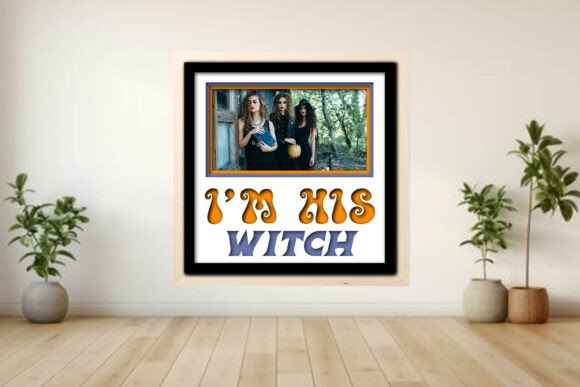
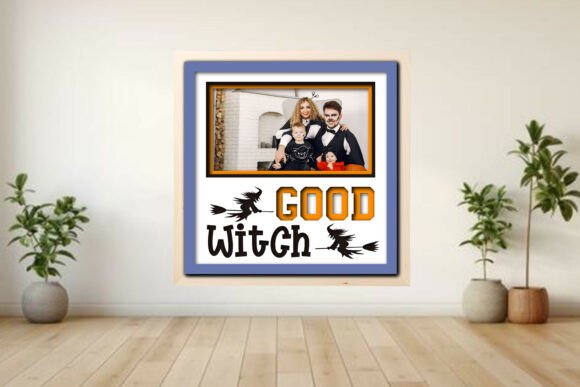
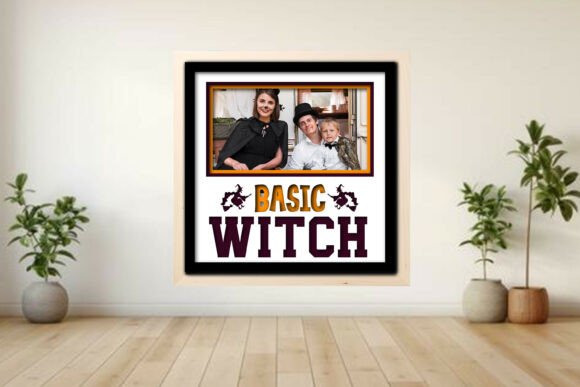
The moment I loaded the preview of Basic Witch Photo Frame Shadow, the mood was immediately established. It feels less like a standard monogram frame and more like a portal into a cozy, slightly magical world. The layout suggests a central focal point—a photo or a name—encased by a silhouette that hints at witchy aesthetics without being overly cluttered. For a designer, this balance is crucial. Too much detail in a frame can get lost in stitching, but too little looks unfinished. This design strikes a chord because it invites personalization while maintaining a strong visual identity.
As a digital asset in the Crafts category, specifically under Graphics, it serves as a robust foundation. Whether you are planning to digitize the outline for a machine embroidery design or use it as a physical stencil for appliqué, the shape has a distinct personality. It screams "handmade gift" and "seasonal decor." The shadow box concept implies depth, which translates beautifully when executed with layers of fabric or thick thread work. It creates an instant sense of value in a finished product, making even simple materials look curated and thoughtful.
Real-World Application: A Custom Tote Bag Project
To truly test the viability of this design, I imagined a specific scenario: preparing a custom embroidered tote bag for a local craft fair. The goal was to create a unique item that would appeal to fans of folklore and cottagecore aesthetics. I considered using Basic Witch Photo Frame Shadow as the primary motif on a sturdy canvas tote.
In this context, the design functions perfectly as a large-scale appliqué base. You could stitch the outer frame in a dense satin stitch, perhaps in a deep forest green or charcoal grey, and then fill the center with a running stitch or a light fill to hold a small printed photo or a patch of contrasting fabric. The result would be a functional piece of art that customers can carry around. Unlike a standard logo placement, this design demands attention. It transforms a plain bag into a statement piece. If I were selling this on Etsy, I would market it as a "Personalized Memory Keeper Tote," allowing buyers to insert a photo of a loved one inside the frame.
This approach also works exceptionally well for holiday embroidery projects. Imagine a set of kitchen towels featuring this frame, each holding a different family recipe or a holiday greeting. The layered nature of the shadow box concept allows for textural variety, which adds to the tactile appeal of the final product. It moves beyond simple decoration and becomes a storytelling element.
Technical Considerations for Embroidery and Textiles
While the aesthetic is promising, every professional designer knows that the devil is in the details. When adapting Basic Witch Photo Frame Shadow for actual stitching, several factors come into play regarding stitch density and hoop size.
- Hoop Size and Placement: Because this is a frame design, it requires a generous amount of negative space within the hoop. If you attempt to stitch this on a small 4x4 hoop, the corners might get cut off, ruining the symmetry. I recommend testing this on a larger area, such as a sweatshirt chest panel or a full-size pillow cover, to ensure the entire shadow box structure remains intact.
- Fabric Texture and Stability: The design relies on clean edges to define the frame. On textured fabrics like heavy denim or bouclé, the definition might soften. For the best results, use a stable, medium-weight fabric like cotton duck or twill. Always employ a high-quality stabilizer; if the fabric puckers, the "frame" will lose its structural integrity, and the design will look amateurish rather than artistic.
- Thread Color Contrast: The visual impact of this design depends heavily on contrast. A dark frame on a dark background will disappear. Conversely, a light frame on a white shirt might lack punch. I suggest experimenting with metallic threads for the frame border to catch the light, adding that extra layer of sophistication that makes a commercial embroidery project feel premium.
Where to Use (and Where to Pause)
This design is versatile, but it is not a universal fit. There are specific scenarios where Basic Witch Photo Frame Shadow might struggle. For instance, applying this to a curved surface like a baseball cap can be challenging. The frame geometry is likely rectangular or arched, which may distort when forced onto a rounded crown unless the digitizing is done with extreme precision. Similarly, for baby embroidery on tiny onesies, the scale might be too large. A baby's chest simply cannot accommodate a full shadow box without overwhelming the garment.
Furthermore, avoid using this design on stretchy knits without proper stabilization techniques. If the fabric stretches during wear, the stitches may break or pull, leading to unsightly gaps in the frame. For products that require frequent washing, such as aprons or dish towels, ensure the thread used is polyester-based for durability. Cotton thread might fray over time, especially in the dense areas of the frame border.
Designer Notes for Success
If you are a Etsy seller or a small shop owner looking to expand your inventory, here is my practical advice before committing to production:
- Test on Scrap Fabric: Never run a new design directly onto your best material. Stitch the Basic Witch Photo Frame Shadow on a scrap piece first to check how the layers interact. Does the fill stitch bleed into the frame? Is the tension correct?
- Check Licensing: Before selling finished items made with this design, verify the license terms. Some digital assets allow commercial use only for a limited number of units, while others require a specific subscription. Confirm whether you can sell the finished product or if the license is strictly for personal use.
- Mockup Testing: Create black and white mockups to see how the design reads without color distractions. This helps you understand the weight and distribution of the stitches. Compare how it looks on light versus dark backgrounds to ensure versatility.
- Review Small Details: Inspect the corners of the frame. In many digital files, fine points can become jagged or broken during the digitizing process. Ensure these areas are robust enough to hold up under the stress of the needle.
Ultimately, Basic Witch Photo Frame Shadow is a strong candidate for anyone looking to add a touch of narrative to their handmade products. It bridges the gap between a simple decorative element and a complex, layered artwork. By paying attention to fabric choice, stabilization, and thread selection, you can transform this graphic into a stunning embroidery project that customers will cherish. Whether you are creating personalized gifts, boutique branding, or seasonal decor, this design offers a unique angle that stands out in a crowded market. Just remember to test thoroughly and respect the technical limits of your equipment to ensure your finished product reflects the high quality you promise.