Photo Frame Display Laser Cut File Review
I have spent years reviewing machine embroidery design assets for both personal hobbies and commercial ventures. When a new file lands on my desk, I do not just look at the stitch count or the vector lines; I imagine the finished product hanging in a boutique, sitting on a shelf, or being worn by a client. Today, I am evaluating the Photo Frame Display Laser Cut File. While this is technically a laser cutting asset designed for creating physical easel stands and plate holders, its application in the world of handmade goods and hybrid crafts is fascinating. It represents a unique intersection where digital vector files meet tangible display solutions.
My first impression of the Photo Frame Display Laser Cut File is one of structural elegance. Unlike typical embroidery designs that rely solely on thread to create shape, this file defines a three-dimensional object. The concept of an easel stand or a photo frame display suggests a product meant to hold memories. For a crafter or Etsy seller, this is a powerful mood setter. It immediately evokes feelings of nostalgia, home decor, and personalized gifting. The design feels sturdy yet delicate, perfect for nursery decor, wedding favors, or holiday gifts where presentation is just as important as the content inside the frame.
Real-World Application: From Vector to Finished Product
Let me walk you through a scenario I recently encountered with a small business owner who wanted to launch a line of custom baby keepsakes. She needed a way to display embroidered patches or small photos alongside her products. Instead of buying generic plastic frames, she decided to use the Photo Frame Display Laser Cut File to create custom wooden stands. These stands would then be paired with her embroidered items.
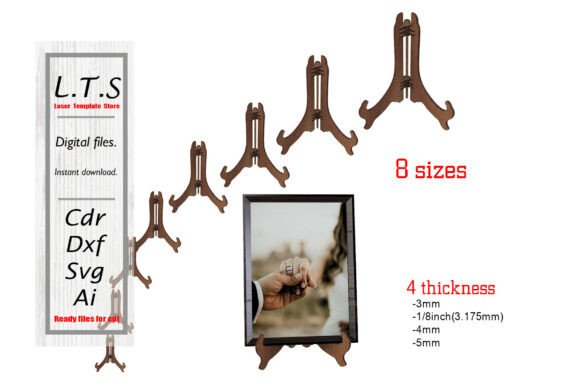
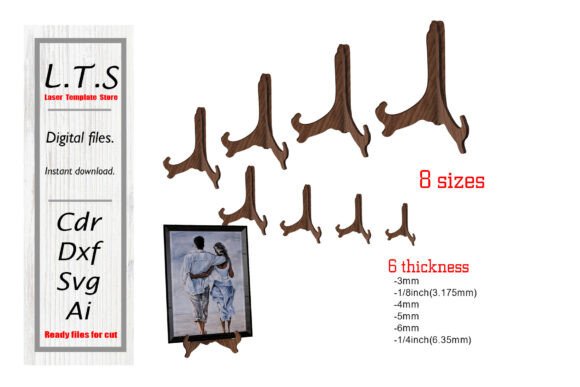
The result was stunning. By using the Photo Frame Display Laser Cut File, she created a cohesive brand experience. The laser-cut wood provided a rustic, high-quality base that made the embroidered patch look like a premium collectible. This approach elevates the perceived value of the entire project. Customers are more likely to trust a brand that invests in thoughtful packaging and display materials. The Laser Cutting aspect allows for precise cuts that fit various frame sizes, ensuring that whether the customer wants a 3mm or 5mm thickness, the final product looks professional and intentional.
This hybrid method is particularly effective for custom apparel accessories. Imagine a sweatshirt embroidery project featuring a large graphic. You could create a matching embroidered patch using the same design elements, sew it onto a tote bag, and then place that bag on a stand cut from the Photo Frame Display Laser Cut File. The consistency across the finished product creates a strong visual identity. It transforms a simple piece of clothing into a curated gift set, which is exactly what buyers on platforms like Etsy are looking for today.
Navigating Fabric and Stitch Density Challenges
While the Photo Frame Display Laser Cut File excels as a structural element, it requires careful consideration when integrated with textile work. If you plan to use this file to create a backing or a border for an embroidery project, you must think about how the laser-cut edges interact with the fabric texture. The file supports various thicknesses, including 3mm, 3.175mm, 4mm, and 5mm. Thicker materials offer stability but can be rigid, making them difficult to attach to soft fabrics without additional reinforcement.
When working with stitch density on projects that involve these stands, caution is required. If you are designing a sweatshirt embroidery piece that sits directly against a laser-cut frame, the bulk of the stitching combined with the rigidity of the wood might cause puckering or distortion. I recommend testing the combination on scrap fabric first. Ensure that the hoop size you use for the embroidery accommodates the curve of the frame if you are attaching it to a curved surface like a cap or a hat.
For small hoop sizes, the Photo Frame Display Laser Cut File might present challenges if the design includes intricate corners or tiny lettering. Laser cutting works best with clean lines and distinct shapes. If your embroidery design relies heavily on running stitch or fine details that need to blend seamlessly with the wood grain, you may find that the contrast between the thread and the cut material is too stark. In such cases, adjusting your thread colors is crucial. A satin stitch outline in a contrasting color can help bridge the gap between the soft embroidery and the hard laser-cut edge.
Strategic Use Cases for Craft Businesses
This file is not just for holding pictures; it is a versatile tool for commercial embroidery businesses. Consider the potential for holiday embroidery collections. During the winter season, families love receiving personalized ornaments and displays. Using the Photo Frame Display Laser Cut File to create a series of mini-easels allows you to sell bundles of embroidered stockings or festive patches. The ability to choose different sizes means you can cater to everything from keychain-sized gifts to larger pillow covers.
For digital product sellers, this file offers a unique angle. You can create printable mockups that show customers how their embroidery file will look when displayed on a real stand. This helps reduce return rates and increases buyer confidence. When a customer sees a realistic image of their personalized gift sitting on a beautiful wooden easel, they are much more likely to purchase. It adds a layer of professionalism to your design assets.
However, there are areas where you should exercise restraint. Avoid using this design for products that require frequent washing, such as kitchen towels or aprons, unless the laser-cut component is detachable. The interaction between water, heat, and the adhesive used to secure the embroidery can compromise the integrity of the stand. Similarly, on thin or stretchy fabrics, the weight of the stand might pull the garment out of shape. Always prioritize the longevity of the item over the initial aesthetic appeal.
Essential Designer Notes for Implementation
Before you commit to using the Photo Frame Display Laser Cut File in a client project, follow these practical steps to ensure success:
- Test on Scrap Fabric: Never assume the fit. Create a prototype using your intended stabilizer and thread colors to see how the layers interact.
- Check Thread Contrast: Evaluate how your chosen thread colors pop against the natural wood tone or painted finish of the laser-cut stand.
- Review Stitch Density: Ensure your fill stitch settings are appropriate for the fabric type. Too much density can make the embroidery feel stiff and unprofessional.
- Inspect Small Details: Zoom in on the vector lines of the SVG, CDR, Ai, DXF files to ensure no critical details are lost during the laser cutting process.
- Confirm Licensing: Verify the terms of use before selling handmade products or offering printable mockups based on this file.
- Use Proper Stabilizer: For heavy-duty applications, a tear-away or cut-away stabilizer is essential to maintain the shape of the embroidery.
The Photo Frame Display Laser Cut File is more than just a template; it is a gateway to creating higher-value, multi-dimensional products. Whether you are an Etsy seller looking to differentiate your shop or a hobbyist wanting to make a special gift, this file provides the structural foundation for memorable creations. By understanding its strengths and limitations, you can integrate it seamlessly into your workflow, turning simple embroidery designs into standout craft business items.
In conclusion, while the Laser Cutting technology and the Stands category are distinct, their fusion with embroidery opens up exciting possibilities. The key lies in balancing the mechanical precision of the cut with the organic beauty of the stitch. When done right, the result is a finished product that feels bespoke, thoughtful, and undeniably professional. As you move forward with your next embroidery project, keep the Photo Frame Display Laser Cut File in mind as a tool to elevate your brand and delight your customers.